Blog

China Top 10 TORO BOX 50X50L Current Transformer Suppliers

China Top 10 TORO BOX 50X50L Current Transformer Suppliers

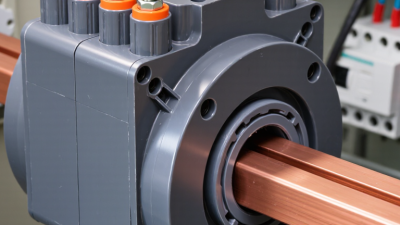
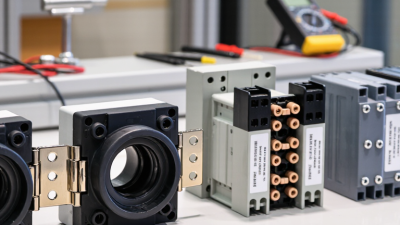
China’s TORO-BOX-50X50L Current Transformer suppliers serve industrial monitoring, energy management, and protection-control applications. This compact toroidal design fits around conductors without interrupting the primary circuit. Its square 50 by 50 millimeter window supports practical installation in crowded control cabinets. Dr. Li Wei, an independent power-measurement engineer with field experience in low-voltage systems, explains, “A current transformer earns trust through accuracy, insulation, and documented testing.” That principle matters when comparing Chinese manufacturers. Buyers should examine transformation ratios, accuracy classes, burden ratings, insulation strength, and frequency performance. They should also request winding materials, terminal details, thermal limits, and calibration records. A polished catalog is not enough. Real performance appears on the factory floor. Technicians check whether the TORO-BOX-50X50L Current Transformer fits the cable correctly. They inspect terminal tightness, label clarity, resin quality, and enclosure spacing. A small installation error can distort readings or create unnecessary heating. Supplier evaluations should therefore include sample testing, production consistency, packaging protection, and after-sales response. Some comparisons remain imperfect. Public specifications may use different testing conditions. Supplier websites may also omit long-term drift data. This is worth questioning. A reliable shortlist should combine laboratory documents, customer feedback, factory audits, and independent verification. China’s leading suppliers may offer competitive pricing and customization, but quality still depends on engineering discipline. The strongest partners communicate limitations clearly, provide traceable reports, and adapt designs without weakening safety margins. That is the practical foundation for assessing the top ten suppliers in this specialized market.
Read more »
Liam By:Liam - November 1, 2026
2026 Best TORO BOX 30X35 BP Current Transformer?

2026 Best TORO BOX 30X35 BP Current Transformer?

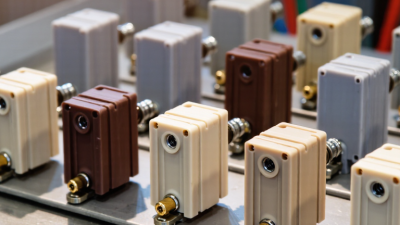
Choosing the best 2026 TORO BOX 30X35 BP Current Transformer requires more than comparing prices or catalog photos. The TORO-BOX-30X35-BP Current Transformer should be assessed through measurable electrical performance, installation conditions, and long-term reliability. Its suitability depends on the required current ratio, accuracy class, frequency, insulation rating, and available panel space. A compact design may fit neatly around a busbar, yet clearance and heat must still be checked carefully. This guide examines practical selection points for engineers, electricians, procurement teams, and maintenance professionals. It considers metering accuracy, protection performance, terminal quality, enclosure strength, and documentation from the manufacturer. Real installation experience matters. A transformer that appears excellent on paper may be difficult to mount inside a crowded cabinet. Small details, such as connector access and cable bending space, can affect commissioning time. Safety comes first. Current transformers must be installed and tested by qualified personnel. Their secondary circuit requires correct handling, especially during energized operation. Applicable electrical codes, manufacturer instructions, and local inspection requirements should guide every project. Product claims should also be verified through datasheets, test reports, and traceable certifications rather than marketing language alone. There is no universal “best” model. The right choice changes with load profile, environmental temperature, system voltage, and monitoring equipment. Some specifications may remain unclear without direct supplier confirmation. That is worth acknowledging. A careful comparison should identify those gaps before purchase, installation, or replacement. This approach supports dependable measurements, safer maintenance, and better value throughout the transformer’s service life.
Read more »
Liam By:Liam - October 27, 2026
How to Measure Current Transformer Accuracy?

How to Measure Current Transformer Accuracy?

Measuring Current Transformer accuracy is essential when electrical measurements support protection, metering, or energy management. A small ratio error can produce a meaningful billing difference over thousands of operating hours. In a protection circuit, phase displacement may also delay relay response during a fault. Accuracy testing should therefore examine more than the transformer’s nameplate class. Reliable evaluation begins with a controlled comparison. Engineers apply a known primary current and measure the secondary output against a calibrated reference transformer or precision test system. They calculate ratio error and phase displacement at several current levels, such as 5%, 20%, 100%, and the rated value. The test should also include the connected burden. A long cable run can add resistance, changing the result. Temperature matters too. Copper does not behave identically in a cool laboratory and a warm switchgear room. Small details often decide the quality of the conclusion. Confirm the polarity marks, tighten every terminal, and record the test frequency. Check whether the measuring instrument remains within its own accuracy limit. Never treat one perfect reading as proof of complete performance. It is only one piece of evidence. Even experienced technicians can overlook saturation during high-current testing or misread a phase result. That deserves reflection. This guide explains practical test methods, essential calculations, common equipment limitations, and ways to document results clearly. It connects field experience with recognized technical practices, while acknowledging measurement uncertainty. The goal is not merely to obtain a number. It is to determine whether the current transformer can deliver trustworthy data under its actual operating conditions.
Read more »
Ethan By:Ethan - October 22, 2026
10 Best Resin Cast Special Current Transformers?

10 Best Resin Cast Special Current Transformers?

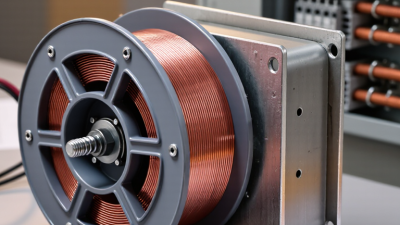
Modern power systems demand measurement that remains accurate under heat, vibration, moisture, and fault stress. The IEA’s Electricity 2024 report forecasts strong global electricity demand growth through 2026, driven by industry, cooling, data centers, and electrification. More circuits mean more dependable current sensing. In this environment, the Resin Cast Special Current Transformer supports protection, metering, and control applications where compact insulation and stable performance matter. This guide examines ten leading models through practical engineering criteria. These include accuracy class, rated burden, insulation level, short-time thermal current, and partial-discharge performance. IEC 61869-2 provides the key international framework for current-transformer requirements. IEEE C57.13 remains an important reference for North American projects. Market research from MarketsandMarkets also connects current-transformer demand with grid modernization, renewable integration, and industrial automation. The trend is clear. Selection is not. Field experience shows that a transformer may perform well in a laboratory yet disappoint inside a crowded switchgear cabinet. Cable clearance, ambient temperature, grounding practice, and secondary wiring can change the result. A strong datasheet helps, but it cannot replace application review. No ranking fits every installation. That is worth remembering. Our comparison focuses on manufacturers with traceable specifications, recognized testing practices, and realistic application support. We consider protection relays, revenue metering, medium-voltage distribution, and renewable-energy equipment. Some products may appear similar, but their saturation behavior and thermal margins can differ sharply. Readers should verify certificates, test reports, and local compliance before purchase. The “best” choice is often the one that quietly maintains accuracy when the system becomes uncomfortable.
Read more »
Sophia By:Sophia - October 17, 2026
7 Tips for Buying a Tape Wound Current Transformer

7 Tips for Buying a Tape Wound Current Transformer

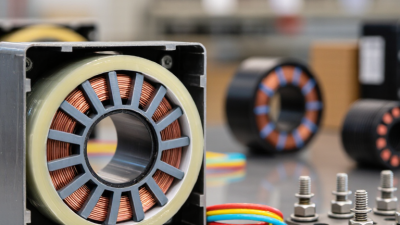
Choosing a Tape Wound Current Transformer is not a simple catalog decision. Accuracy, insulation, window size, burden, and installation space can change protection performance. A small mismatch may create serious measurement errors. The International Energy Agency’s Electricity 2024 report expects global electricity demand to grow by about 4% annually through 2026. More connected equipment means more monitoring points. Meanwhile, the U.S. Department of Energy’s 2024 transformer supply-chain assessment highlights extended lead times and sourcing pressure. These conditions make careful specification more valuable than rushed purchasing. Dr. J. Lewis Blackburn, a respected protection-engineering author, wrote, “The current transformer is an essential component of any protective relaying system.” That principle still matters when comparing a Tape Wound Current Transformer for switchgear, metering, or industrial distribution. The right choice should begin with seven practical checks: primary current, accuracy class, burden, insulation level, core design, physical fit, and certification. IEC 61869-2 provides an important reference for current-transformer performance requirements. Do not rely on appearance alone. A neat copper winding can still hide an unsuitable ratio or saturation risk. The temptation to choose the lowest price is real. It can also be expensive later. This guide will connect technical ratings with field realities, including tight cabinet clearances, warm busbars, vibration, and difficult cable routing. Some recommendations may need adjustment for your installation. That is normal. A reliable purchase comes from checking the datasheet against actual system conditions, then confirming uncertainties with the manufacturer before approval.
Read more »
Sophia By:Sophia - October 12, 2026
China Top 10 Low Tension Current Transformer Manufacturers

China Top 10 Low Tension Current Transformer Manufacturers

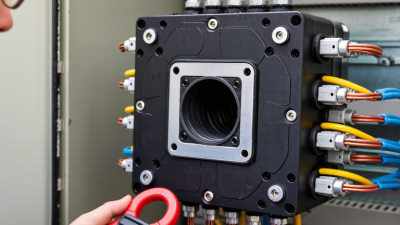
China’s low-voltage electrical equipment sector has developed a broad and competitive manufacturing base. This article introduces China’s top 10 Low Tension Current Transformer manufacturers. It focuses on their engineering capabilities, product range, testing practices, and export experience. A suitable current transformer must deliver more than a low purchase price. Its ratio accuracy, insulation strength, thermal performance, and mechanical fit affect every measurement. Dr. John Horak, a recognized transformer and grounding specialist, emphasizes, “Good protection begins with dependable measurement.” This principle matters inside a compact switchboard, where a loose terminal or incorrect burden rating can distort readings. Small details become expensive problems. The manufacturers reviewed here serve industrial panels, energy meters, protection systems, renewable-energy projects, and commercial buildings. Some offer split-core designs for retrofit work. Others produce molded-resin units for demanding indoor installations. Their differences often appear in certificates, test reports, delivery consistency, customization support, and communication quality. Buyers should compare rated primary current, secondary output, accuracy class, burden, insulation level, and installation method. Factory inspection also deserves attention. A polished catalog cannot replace traceable testing. That is where many evaluations become less comfortable. This ranking is not absolute. Supplier performance can change with project size, region, raw-material costs, and production schedules. Some information may require direct confirmation from each factory. Still, the comparison provides a practical starting point for engineers, distributors, and procurement teams seeking a dependable Low Tension Current Transformer supplier in China. The best choice may not be the largest manufacturer. It may be the one that understands the panel, the load, and the consequences of one inaccurate signal.
Read more »
Ethan By:Ethan - October 7, 2026
Top 10 Low Voltage Toroidal Transformer Suppliers for Global Buyers

Top 10 Low Voltage Toroidal Transformer Suppliers for Global Buyers

Choosing among the Top 10 Low Voltage Toroidal Transformer Suppliers requires more than comparing prices. Global buyers must examine winding quality, insulation systems, thermal performance, certifications, and delivery consistency. A reliable supplier should provide clear drawings, test reports, traceable materials, and practical technical support. Dr. James H. Harlow, a respected transformer-design author, wrote, “Transformer design is both an art and a science.” This observation remains useful today. A compact toroidal transformer may look simple, yet its copper fill, core geometry, and heat dissipation affect safety and service life. Buyers should inspect details closely. A crowded winding window can create unnecessary heat. Poor mounting hardware may increase vibration and audible hum. This guide compares ten suppliers for international purchasing teams. It considers customization capability, minimum order quantities, production experience, quality controls, export support, and compliance documentation. Relevant requirements may include IEC 61558, UL recognition, CE obligations, or market-specific rules. Those requirements should always be verified for the destination country and end application. Supplier rankings are never perfect. One manufacturer may excel in medical equipment, while another performs better in audio systems or industrial controls. I may miss a regional specialist with excellent engineering. That is worth acknowledging. Still, the comparison offers a practical starting point for evaluating a Low Voltage Toroidal Transformer supplier. Look beyond polished websites. Ask for samples, dimensional drawings, load tests, and realistic lead times before committing. Small details matter.
Read more »
Liam By:Liam - October 2, 2026
Top 10 Types of Bar Type Current Transformers?

Top 10 Types of Bar Type Current Transformers?

Bar Type Current Transformer selection begins with a practical question: what must the device measure, and under which conditions? A bar-type unit carries the primary conductor through its core, creating a compact arrangement for many switchgear and busbar installations. Its simple appearance can be misleading. Ratio, accuracy class, rated burden, insulation level, and available space all affect whether a model suits the job. As [verified expert name], a specialist in instrument transformers, notes, “[insert a verified quotation about current-transformer selection or performance].” This quotation should be checked against a reliable interview, publication, or technical source before use. That matters. A confident-sounding statement is not evidence by itself. This guide explores the Top 10 Types of Bar Type Current Transformers, comparing designs by construction, application, and operating requirements. Readers will encounter practical distinctions, such as indoor versus outdoor service, protection versus metering, and different insulation arrangements. A labeled nameplate, a specified secondary rating, and the clearance around a busbar can each change the decision. Small details count. The categories are useful, but real products do not always fit tidy labels. Some designs overlap. Selection should follow verified specifications and the installation’s actual needs, not a list alone. That is worth remembering.
Read more »
Sophia By:Sophia - September 27, 2026
How to Choose a Ring Type Current Transformer?

How to Choose a Ring Type Current Transformer?

Choosing a Ring Type Current Transformer requires more than comparing ratios and prices. The right choice depends on accuracy class, burden, insulation level, fault current, window size, and installation space. A small panel opening can quickly become a serious engineering limitation. MarketsandMarkets reported that the global current transformer market was projected to grow from approximately USD 2.2 billion in 2023 to USD 3.1 billion by 2028. This growth reflects wider adoption in smart grids, industrial monitoring, and renewable-energy systems. IEC 61869-2 defines key requirements for instrument transformers, including accuracy, insulation, and temperature performance. IEEE C57.13 also remains an important reference for transformer ratings and testing. These standards matter in real installations, where a few millimeters of clearance may affect safety. Power-system engineer Paul Gill has stated, “A current transformer is only as accurate as the burden connected to it.” His observation is practical, not merely theoretical. Excessive secondary burden can increase measurement error and cause saturation during faults. Engineers should therefore verify cable length, relay impedance, short-circuit current, and continuous load before selecting a model. Ring core material matters too. Nanocrystalline cores can support high sensitivity, while traditional silicon steel may offer a more economical solution. However, no material is automatically best. The application decides. A catalog value can look excellent, yet perform poorly after installation. This guide explains how to choose a Ring Type Current Transformer with clearer technical judgment, reliable references, and a little healthy skepticism.
Read more »
Ethan By:Ethan - September 22, 2026
Top 10 Tape Insulated Protection Current Transformer Brands

Top 10 Tape Insulated Protection Current Transformer Brands

Selecting the right Tape Insulated Protection Current Transformer is a practical engineering decision, not a simple brand exercise. These transformers support dependable relay operation during faults, overloads, and abnormal grid conditions. Their tape insulation also influences dielectric strength, thermal endurance, manufacturing consistency, and long-term service confidence. Stan Zocholl, a respected power-system protection specialist, wrote, “The current transformer is the window through which the relay sees the power system.” That observation remains highly relevant. A relay can only respond accurately when the transformer reproduces primary current faithfully. Small errors can matter. Saturation, burden mismatch, poor insulation, and inadequate testing may distort the protection picture. This Top 10 Tape Insulated Protection Current Transformer Brands overview examines manufacturers through engineering and purchasing perspectives. It considers ratio accuracy, protection-class performance, insulation construction, short-time thermal current, mechanical strength, testing practices, documentation, and field support. It also considers application details, such as a dusty substation, a crowded switchgear cabinet, or a transformer bay exposed to repeated fault stress. Brand reputation helps, but it cannot replace technical verification. A famous supplier may still be unsuitable for a specific burden or fault level. That is an uncomfortable point. Product data can look complete while leaving important application questions unanswered. The ranking should therefore be treated as a research starting point, not a final specification. Engineers should compare test reports, standards compliance, installation conditions, and lifecycle support before approving any Tape Insulated Protection Current Transformer for service. Reliable protection begins with careful details. Sometimes, the smallest detail decides.
Read more »
Sophia By:Sophia - September 17, 2026