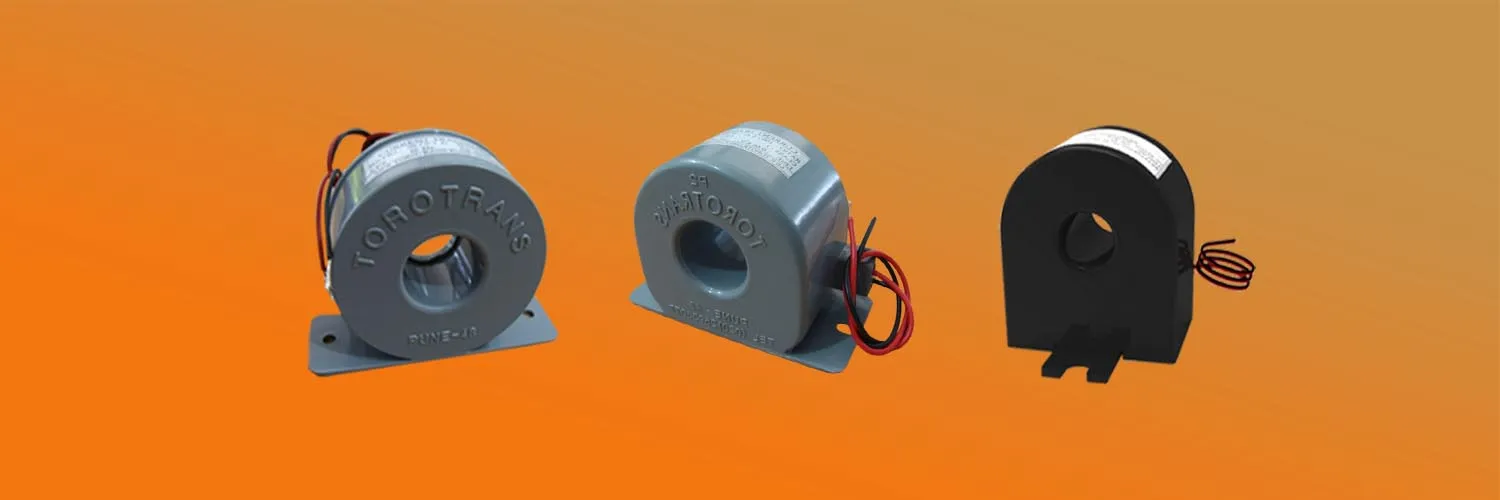
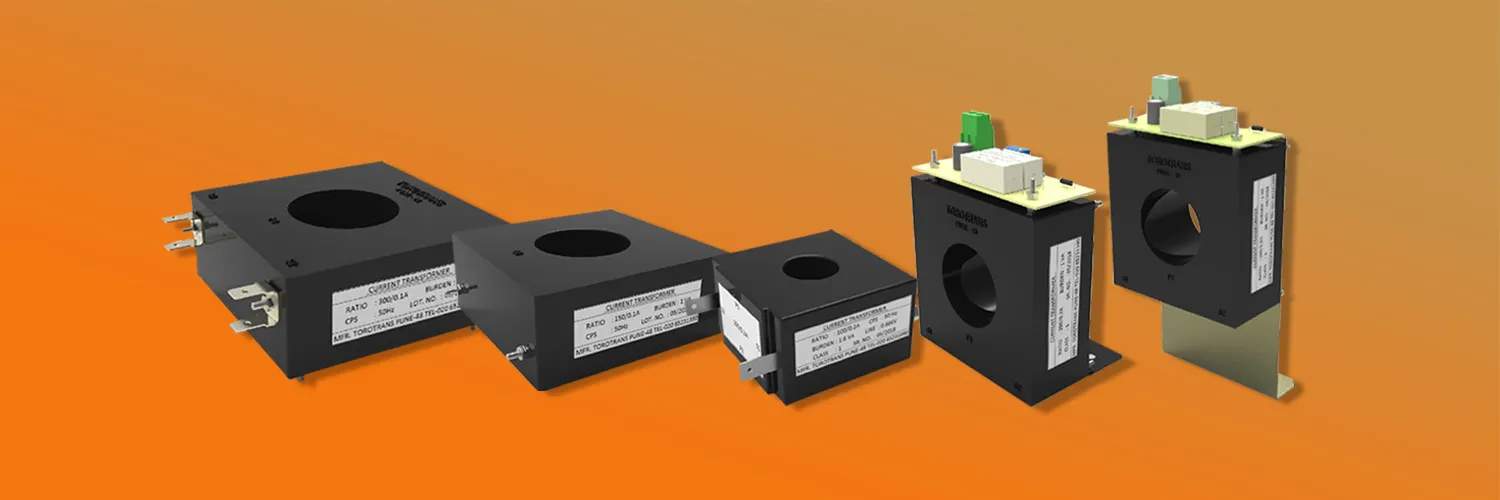
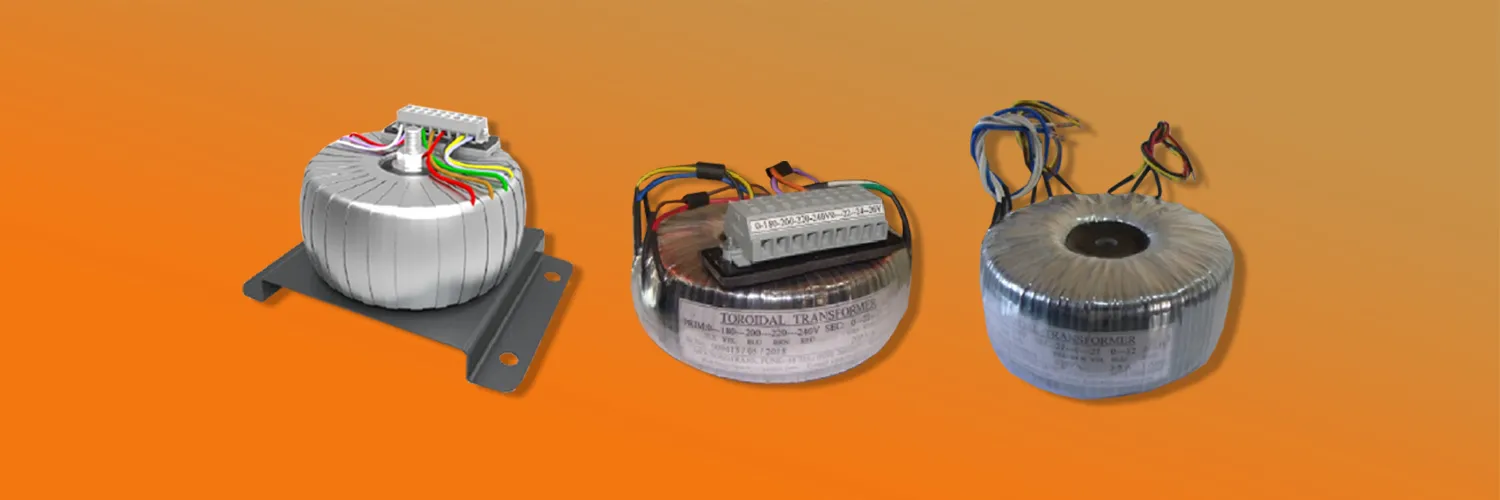
In the evolving landscape of electrical engineering, the Resin Cast Measuring Current Transformer stands out as a crucial innovation. This technology integrates durability with precision in measuring electrical currents. Industries increasingly rely on these transformers for their reliability in various applications, from power distribution to renewable energy systems.
As we approach 2026, understanding the advancements in Resin Cast Measuring Current Transformers is essential. These devices are renowned for their robust construction, which resists harsh environmental conditions. Their design offers both efficiency and accuracy, vital for modern electrical grids. However, challenges remain, including the need for continual enhancements to meet growing demands.
While the market is expanding, it is important to reflect on the limitations of current technologies. There is always room for improvement in efficiency and ease of installation. Evaluating these aspects could lead to better solutions in the future. The journey of the Resin Cast Measuring Current Transformer is ongoing, highlighting the balance between innovation and practical application.
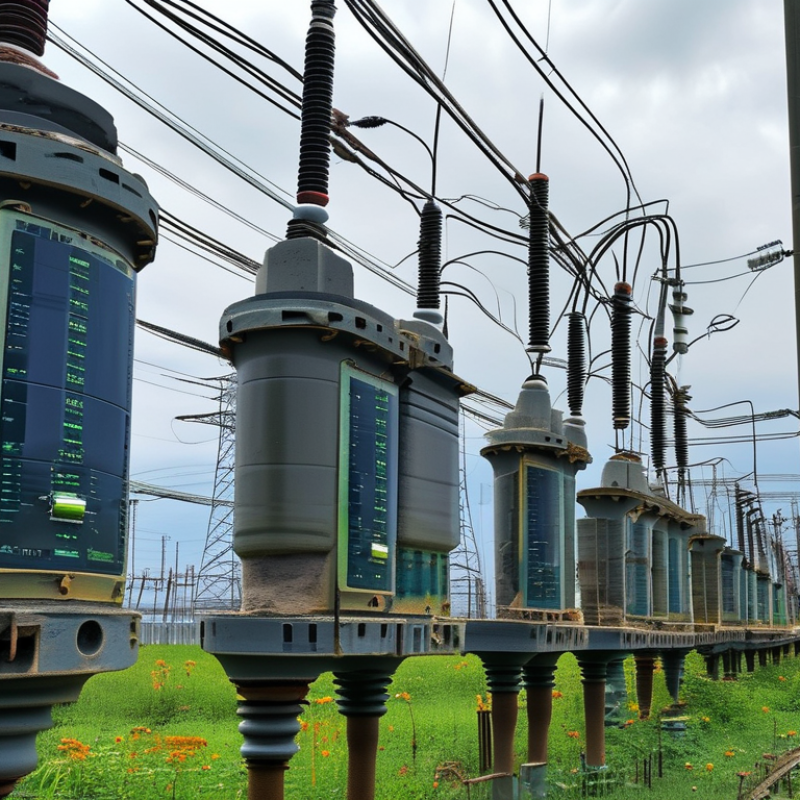
Overview of Resin Cast Measuring Current Transformers
Resin cast measuring current transformers (RCTs) are becoming increasingly significant in electrical engineering. These devices are designed to measure alternating current (AC) by transforming high currents into a lower, manageable scale. Their robust resin encapsulation provides excellent durability and insulation properties, making them suitable for various applications in power generation and distribution.
The construction of resin cast RCTs involves a thoughtful selection of materials to ensure reliability. The resin protects the internal components from moisture and contamination, which can lead to performance degradation. This ensures a long service life, even in harsh environments. However, the manufacturing process requires precision and expertise; small variations can lead to discrepancies in measurements.
Despite their advantages, challenges remain. The complexity of the production process can result in inconsistencies. Engineers must continually evaluate the performance of these transformers in the field. Regular maintenance and testing are essential to uphold their accuracy and reliability over time. Balancing cost, performance, and durability is a critical consideration for users in the field.
2026 Insights on Resin Cast Measuring Current Transformers
Key Features and Benefits of Resin Cast Current Transformers
Resin cast current transformers offer several key features that distinguish them in the market. They are designed to reliably measure current in various applications. Their construction allows for enhanced electrical insulation. This is critical in high-voltage environments. The resin casting provides excellent protection against moisture and contaminants. As a result, these transformers perform well in harsh conditions.
One of the primary benefits of resin cast transformers is their durability. Unlike traditional transformers, they are less prone to damage. This reduces maintenance costs over time. Users find that the lifespan of resin cast models often exceeds expectations. Moreover, their lightweight nature makes installation easier and less labor-intensive.
While resin cast current transformers have many advantages, there are areas for reflection. Some users report challenges with heat dissipation. In high-load situations, this can lead to performance concerns. It’s important for users to monitor operating conditions closely. Understanding these limitations helps ensure optimal performance. Balancing benefits and potential drawbacks leads to more informed decisions.
Applications of Resin Cast Measuring Current Transformers in Various Industries
Resin cast measuring current transformers have found their applications across diverse industries. In the energy sector, for instance, they play a critical role in monitoring electrical systems. These transformers are designed to provide accurate measurement and protection, which is essential for efficient operation. Their robust construction allows them to withstand harsh environments, ensuring reliability.
In manufacturing, they are used in industrial automation systems. They help in controlling electric motors and machinery. The precision they offer can enhance the overall efficiency of production lines. Despite their advantages, some users may face challenges in calibrating these devices properly. The installation process can also be complex, prompting the need for skilled professionals.
Transportation systems benefit from these transformers as well. They monitor the power supply for trains and subways. By doing so, they ensure safety and prevent failures. However, the variation in current load can sometimes complicate their performance. Users must regularly assess their condition and functionality to maintain effectiveness.
2026 Top Resin Cast Measuring Current Transformer Insights
| Industry |
Application |
Key Features |
Market Share (%) |
Growth Rate (%) |
| Energy & Utilities |
Power Distribution |
High accuracy, Robust design |
35 |
5.2 |
| Manufacturing |
Machinery Monitoring |
Compact size, Cost-effective |
25 |
4.8 |
| Telecommunications |
Data Center Monitoring |
High stability, Low maintenance |
20 |
6.0 |
| Transportation |
Railway Energy Management |
Durable, Weather resistant |
15 |
3.5 |
| Renewable Energy |
Solar and Wind Farms |
Eco-friendly, Efficient |
5 |
7.1 |
Technological Advancements in Current Transformer Design and Performance
The evolution of resin cast measuring current transformers (CTs) has significantly accelerated due to technological advancements. These advancements enhance accuracy and reliability in power systems. A recent report from the International Electrotechnical Commission indicates that the demand for high-precision current transformers will grow by 8% annually through 2026.
Manufacturers are adopting innovative materials to create more durable and efficient transformers. The introduction of advanced resin materials leads to better resistance against environmental factors. This shift improves the lifespan and performance of current transformers in various settings, from industrial to commercial environments. However, despite these improvements, some challenges persist. There remains a need for stringent testing protocols to ensure the quality of newly developed products.
Furthermore, integrating digital technology into CT designs is becoming a trend. Smart transformers facilitate real-time data monitoring and enhance system reliability. Yet, this complexity raises concerns about potential vulnerabilities in cybersecurity. Addressing these challenges is essential for the continued progress of current transformer technology as we approach 2026.
Market Trends and Future Outlook for Resin Cast Current Transformers
The resin cast current transformer market is evolving rapidly. According to recent industry reports, the global market is projected to grow at a CAGR of 6% from 2022 to 2026. This growth indicates a rising demand for accurate and reliable measurement solutions in power systems. Resin cast transformers offer durability and resistance to harsh environmental conditions. Their ability to function effectively in outdoor settings contributes significantly to their increasing adoption.
Market trends reveal a shift towards digitalization. More utilities are integrating IoT technologies with current transformers, allowing real-time monitoring and diagnostics. This integration enhances operational efficiency and reduces maintenance costs. Moreover, the need for smart grids is also driving interest. While these advancements are promising, challenges persist. The high initial installation costs and concerns over long-term reliability remain critical points of consideration for potential customers.
Sustainability is becoming more relevant. Manufacturers are focusing on reducing carbon footprints and utilizing recyclable materials. However, the market is still faced with issues surrounding the raw materials needed for production. Striking a balance between innovation and environmental responsibility is crucial. The future of resin cast current transformers lies in addressing these challenges while meeting the demands of a transforming energy landscape.
FAQS
: They are designed to reliably measure current in various applications.
Their durability reduces maintenance costs over time.
Their construction provides protection against moisture and contaminants.
Users report potential issues with heat dissipation in high-load situations.
There is a rising demand for accurate and reliable measurement solutions.
Smart transformers allow for real-time data monitoring, improving system reliability.
There are potential vulnerabilities related to cybersecurity.
Manufacturers aim to reduce carbon footprints and use recyclable materials.
High initial costs can deter potential customers despite the benefits.
Understanding limitations helps ensure optimal performance of transformers.
Conclusion
The article titled "2026 Top Resin Cast Measuring Current Transformer Insights" provides a comprehensive overview of Resin Cast Measuring Current Transformers, highlighting their key features and benefits. These transformers are known for their robust design, which offers enhanced durability and reliability in various applications across industries such as energy, manufacturing, and infrastructure. The discussion includes the technological advancements that have improved their design and performance, ensuring higher accuracy and efficiency in current measurement.
Furthermore, the article explores the emerging market trends and the future outlook for Resin Cast Measuring Current Transformers, emphasizing their growing demand due to increasing automation and renewable energy integration. As industries continue to evolve, these transformers are expected to play a crucial role in ensuring seamless and effective electrical management.