
Toroidal Transformer Technical Articles and Insights
Technical Resources

Toroidal Transformer Blog & Articles

Expert guides, technical updates, and industry insights on Current & Power Transformers.

Resin Cast Current Transformers Insights
Industry Insights

Resin Cast CT Solutions

In-depth guides on high-accuracy resin cast measuring current transformers.

Toroidal Power Transformers Knowledge Base
Engineering Knowledge

Toroidal Power Design

Articles detailing compact, low-noise toroidal power transformers for OEM applications.

0%

Bar Type Current Transformer selection begins with a practical question: what must the device measure, and under which conditions? A bar-type unit carries the primary conductor through its core, creating a compact arrangement for many switchgear and busbar installations. Its simple appearance can be misleading. Ratio, accuracy class, rated burden, insulation level, and available space all affect whether a model suits the job.

As [verified expert name], a specialist in instrument transformers, notes, “[insert a verified quotation about current-transformer selection or performance].” This quotation should be checked against a reliable interview, publication, or technical source before use. That matters. A confident-sounding statement is not evidence by itself.

This guide explores the Top 10 Types of Bar Type Current Transformers, comparing designs by construction, application, and operating requirements. Readers will encounter practical distinctions, such as indoor versus outdoor service, protection versus metering, and different insulation arrangements. A labeled nameplate, a specified secondary rating, and the clearance around a busbar can each change the decision. Small details count.

The categories are useful, but real products do not always fit tidy labels. Some designs overlap. Selection should follow verified specifications and the installation’s actual needs, not a list alone. That is worth remembering.
Top 10 Types of Bar Type Current Transformers?

What Defines a Bar-Type Current Transformer

A bar-type current transformer is defined by its primary conductor: a rigid bar forms part of the transformer assembly and carries circuit current through the magnetic core. Unlike a window-style unit, it does not depend on a separate cable passing through an open aperture. The bar often connects to buswork through bolted terminals. That bar is the primary.

Around it, the core and secondary winding sense the magnetic field and provide a reduced current for meters or protective relays. For example, a unit rated 800:5 is designed to produce 5 amperes on its secondary when primary current reaches 800 amperes, within specified operating conditions. The ratio matters. So do accuracy class, burden, insulation rating, and the available mounting space.

In real switchgear, drawings can make installation look simpler than it is. Terminal alignment, clearance, heat, and vibration deserve careful checks against the equipment design and manufacturer’s data. A mismatch may complicate wiring or affect performance. One safety detail is easy to overlook: never leave a CT secondary open while primary current is flowing; use the specified shorting and test arrangements during maintenance.

Top 10 Types of Bar-Type Current Transformers — What Defines a Bar-Type Current Transformer?

Common primary-current rating examples for bar-type current transformers (CTs)

What defines a bar-type CT? Its primary conductor is a solid bar built into the transformer, rather than a separate cable threaded through the core. Bar-type CTs are selected by factors such as primary-current rating, insulation level, installation environment, and metering or protection requirements. The values shown are common rating examples, not a universal list of CT types; availability and applicable ratings vary by design and standard.

How Bar-Type Current Transformers Measure Current

A bar-type current transformer measures current through electromagnetic induction. Its primary conductor is a solid bar that passes through a magnetic core, usually making one primary turn. When alternating current flows through the bar, it creates a changing magnetic field in the core. That field induces a smaller current in the transformer’s secondary winding. No direct electrical connection is needed between the primary and secondary circuits.

The secondary current follows a known ratio to the primary current. A meter or protective relay reads that output and displays or uses the corresponding primary value. For example, a transformer rated 800:5 produces five amperes in its secondary circuit when primary current reaches 800 amperes, under rated conditions. Accuracy depends on the transformer ratio, connected burden, frequency, and installation. During a severe fault, the core can saturate and readings may become less accurate. Small details matter.

The bar must be firmly secured, with connections tightened to the equipment specification. A steady direct current cannot be measured in the same way because it does not create a changing magnetic field. An energized CT secondary must not be left open-circuit; dangerous voltage can develop. The drawing may look simple, but installation checks still deserve care.

Key Design Features and Classification Criteria

Bar-type current transformers are best classified by how their conductor, core, insulation, and winding are arranged—not by appearance alone. A rigid copper or aluminum bar passes through the magnetic core, creating a compact assembly with fewer primary-turn variables than a wound-primary design. Key distinctions include indoor or outdoor duty, resin or oil insulation, one or multiple cores, and metering or protection service. These categories can overlap. A unit may be indoor, resin-insulated, and dual-core at the same time.

Accuracy and performance ratings provide more useful comparisons than labels such as “high precision.” IEC 61869-2:2012 specifies measuring classes including 0.1, 0.2, 0.5, 1, 3, and 5, with additional S classes for specified performance at low current. For protection, its 5P and 10P classes define composite-error limits under stated conditions. IEEE C57.13-2016 also sets accuracy and test requirements, including burden-related performance. Check the rated burden, accuracy class, and protection factor together. One number never tells the whole story.

Physical details matter on site. A thick bar, bolted joints, and limited ventilation can affect heating and clearances, so compare rated current and temperature-rise limits with the actual installation. Core count is another practical criterion: separate cores can serve metering and protection circuits, but they add bulk. Standards provide a firm baseline; installation conditions still deserve scrutiny. I would not assume that two units with the same ratio behave alike under every burden.

Top 10 Types of Bar Type Current Transformers? - Key Design Features and Classification Criteria

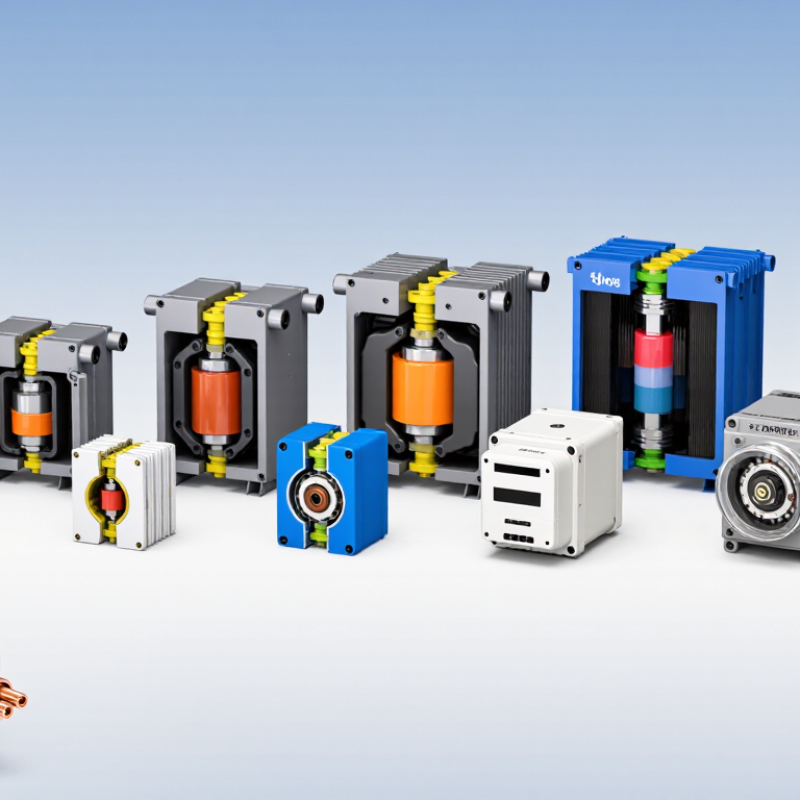
Bar-type current transformers (CTs) use a fixed primary conductor, typically a single-turn bar passing through or incorporated into the magnetic core. The configurations below are classified by construction, insulation, and intended function; these categories can overlap in a single CT.

No. Configuration Key design features Typical application Main selection criteria
1 Straight-bar primary CT A fixed, straight primary bar passes through the magnetic core and forms the primary conductor, usually with one primary turn. Switchboards, bus ducts, and low- or medium-voltage equipment. Rated primary current, bar dimensions, available clearance, and short-time withstand current.
2 Extended-terminal bar CT The primary bar has projecting ends or terminals for direct connection to the power circuit; terminal geometry is matched to the installation. Panel assemblies and switchgear where the CT also forms part of the current path. Connection layout, conductor temperature rise, mechanical forces, and installation clearances.
3 Rectangular-bar CT Uses a flat, rectangular primary bar suited to busbar arrangements. The core opening and insulation system are designed around the bar profile. Compact switchboards and busbar systems with flat conductors. Bar width and thickness, orientation, rated current, and space for insulation.
4 Round-bar CT Uses a cylindrical primary conductor, commonly with a circular core opening and suitable terminal connections. Equipment using rod-shaped conductors or purpose-designed primary connections. Conductor diameter, connection method, current rating, and required electrical clearances.
5 Multi-ratio secondary CT Provides more than one transformation ratio through secondary taps or separate secondary windings; the primary bar remains a fixed conductor. Installations that may need different measurement or protection ratios. Available ratios, permitted secondary connections, accuracy at the selected ratio, and terminal identification.
6 Multi-core bar CT Contains two or more separate magnetic cores and secondary windings, allowing independent circuits for different functions. Switchgear requiring separate metering and protection outputs. Core count, individual core ratings, burden, accuracy class, and secondary-circuit separation.
7 Metering-class bar CT Designed to provide specified measurement accuracy over a defined current range and burden. Some designs limit secondary output under high fault current to help protect instruments. Energy measurement, panel meters, and monitoring systems. Metering accuracy class, rated burden, operating-current range, and applicable standards.
8 Protection-class bar CT Designed to reproduce fault currents adequately for protective relays, with performance specified for the relevant protection duty. Overcurrent, earth-fault, and other protection schemes. Protection class, accuracy-limit or transient requirements, burden, fault level, and relay needs.
9 Cast-resin insulated bar CT The core and secondary winding are encapsulated in solid insulating material, commonly used for indoor designs. The bar-to-core insulation is part of the rated voltage design. Indoor switchgear and substations, especially at low and medium voltages. Rated voltage, insulation level, pollution conditions, thermal rating, and installation environment.
10 Outdoor oil-insulated bar CT Uses liquid insulation within an outdoor enclosure. The primary bar, internal insulation, seals, and housing are designed for the specified service conditions. Outdoor substations and higher-voltage applications where this construction is specified. Rated voltage, insulation coordination, ambient and weather conditions, maintenance requirements, and applicable standards.

Ten Common Types of Bar-Type Current Transformers

Bar-type current transformers use a fixed conductor bar as the primary winding. Their types are commonly described by application, insulation, and core arrangement, rather than one universal classification.

Common configurations include single-ratio metering, multi-ratio metering, protection-class, dual-core, and three-core units. Other forms include low-voltage molded-resin, medium-voltage cast-resin, oil-immersed outdoor, indoor switchgear, and compact busbar-mounted designs.

That makes ten common types, though some categories overlap. Their labels can vary between manufacturers.

Choosing a type means checking more than its name. Match the primary-current range and transformation ratio to the circuit, then confirm accuracy class and rated burden for the connected meter or relay. Insulation and enclosure matter too: a dusty switchroom and an exposed outdoor yard present different conditions.

A practical detail is the terminal layout. Clear secondary markings make wiring checks easier, especially on multi-ratio models.

One detail is easy to overlook: a current transformer’s secondary circuit must not be left open while primary current flows. The classification may feel untidy, but checking the nameplate and installation requirements is more dependable than relying on the category alone.

How to Compare and Select the Right Type

Bar-type current transformers differ in ratio, insulation, accuracy, and mounting, even when their housings look similar. Compare these features against the actual installation, not just a catalog label. A fixed bar primary suits equipment designed around a defined conductor path; a multi-ratio design can offer more flexibility when operating currents may change. That flexibility is useful, but only when the selected tap matches the connected circuit.

For metering, check the accuracy class and rated burden, including the meter and cable load. For protection, confirm the required performance during fault currents and the transformer’s short-time thermal and mechanical ratings. Indoor and outdoor units also differ in insulation and environmental suitability. Fit matters. Measure the busbar dimensions, terminal clearance, mounting points, and available space before ordering. Check rated primary and secondary current, frequency, and insulation level against the system drawings. These details are easy to overlook. I would also verify that the specified secondary circuit is compatible with the connected devices; an energized current-transformer secondary must not be left open. A tidy comparison table helps, but it cannot replace checking real operating conditions and installation constraints.

FAQS

What makes a bar-type current transformer different from a window-style unit?

Its rigid primary bar is part of the transformer assembly. A separate cable does not pass through an open aperture.

How does a bar-type current transformer measure current?

Alternating current in the bar creates a changing magnetic field in the core. The secondary winding produces a smaller current.

What does an 800:5 ratio mean?

At 800 amperes on the primary, the secondary produces 5 amperes under rated conditions. The ratio matters.

What equipment uses the secondary current?

A meter or protective relay reads the secondary output and indicates or uses the corresponding primary value.

Can this transformer measure steady direct current in the same way?

No. Steady direct current does not create the changing magnetic field needed for this measurement.

What should be checked before installation?

Check terminal alignment, clearance, heat, vibration, mounting space, and connection tightness against equipment specifications. Drawings can look simpler.

What can affect measurement accuracy?

The ratio, connected burden, frequency, and installation all matter. During a severe fault, core saturation may reduce accuracy.

Why must an energized transformer’s secondary not be left open?

Dangerous voltage can develop. Use the specified shorting and test arrangements during maintenance; this detail is easy to miss.

Conclusion

A Bar Type Current Transformer is designed with a solid conductor or bar passing through its magnetic core, allowing it to sense current in a power circuit without directly measuring the full load current. Its operation relies on electromagnetic induction: the current in the primary bar produces a magnetic field, which induces a proportional, reduced current in the secondary winding for monitoring or protection. Core arrangement, insulation level, rated current, accuracy, and installation method are among the features used to define and classify these transformers.

Common types can be distinguished by their voltage class, indoor or outdoor use, insulation system, core configuration, accuracy class, and intended role in metering or protection. Comparing these characteristics helps clarify how the ten common types suit different electrical systems. To select the right option, consider the circuit’s operating conditions, required measurement accuracy, available mounting space, environmental exposure, and compatibility with connected equipment. A careful comparison supports reliable measurements and appropriate protection throughout the installation.


Sophia

Sophia

Sophia is a dedicated marketing professional with a wealth of expertise in her field. Armed with a deep understanding of the company's products and services, she brings a unique perspective to her role, ensuring that every aspect of marketing reflects the quality and innovation that the company......