Choosing among the Top 10 Low Voltage Toroidal Transformer Suppliers requires more than comparing prices. Global buyers must examine winding quality, insulation systems, thermal performance, certifications, and delivery consistency. A reliable supplier should provide clear drawings, test reports, traceable materials, and practical technical support.
Dr. James H. Harlow, a respected transformer-design author, wrote, “Transformer design is both an art and a science.” This observation remains useful today. A compact toroidal transformer may look simple, yet its copper fill, core geometry, and heat dissipation affect safety and service life. Buyers should inspect details closely. A crowded winding window can create unnecessary heat. Poor mounting hardware may increase vibration and audible hum.
This guide compares ten suppliers for international purchasing teams. It considers customization capability, minimum order quantities, production experience, quality controls, export support, and compliance documentation. Relevant requirements may include IEC 61558, UL recognition, CE obligations, or market-specific rules. Those requirements should always be verified for the destination country and end application.
Supplier rankings are never perfect. One manufacturer may excel in medical equipment, while another performs better in audio systems or industrial controls. I may miss a regional specialist with excellent engineering. That is worth acknowledging. Still, the comparison offers a practical starting point for evaluating a Low Voltage Toroidal Transformer supplier. Look beyond polished websites. Ask for samples, dimensional drawings, load tests, and realistic lead times before committing. Small details matter.
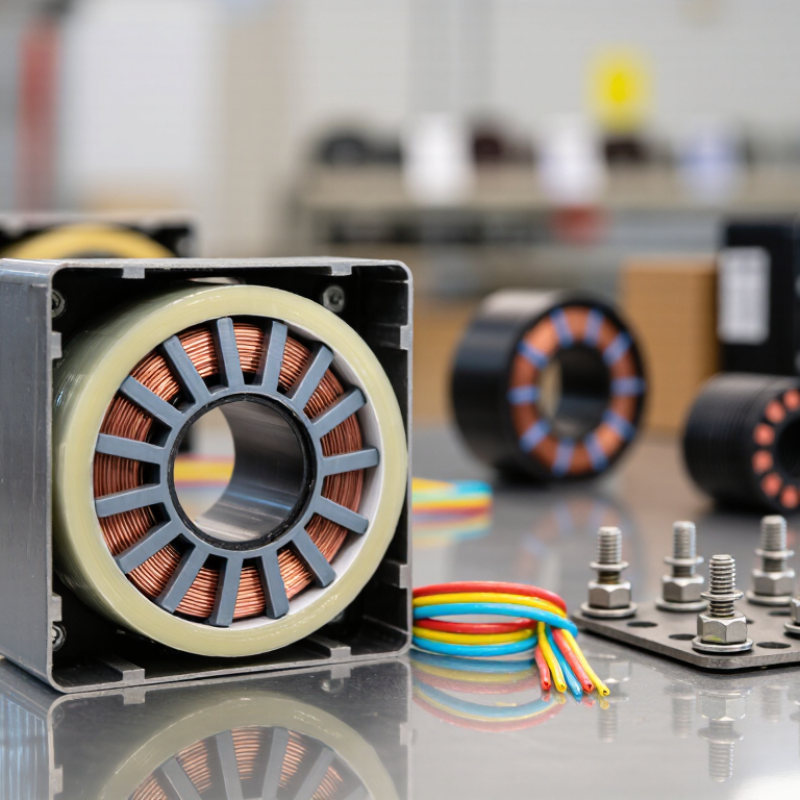
A low voltage toroidal transformer converts mains electricity into a safer, lower secondary voltage, often for control systems, audio equipment, lighting, and medical electronics. In this context, “low voltage” usually means a secondary output below 1,000 volts AC, while many practical units deliver 6–48 volts. Its core is a continuous ring of wound electrical steel. Copper windings follow the circle closely, reducing magnetic leakage and unused space.
The shape matters. Toroidal designs commonly produce low audible hum, compact dimensions, and relatively low no-load losses. However, these benefits depend on core material, winding tension, insulation, and operating temperature. The U.S. Department of Energy’s 2024 Distribution Transformer Technical Support Document projects substantial lifetime energy savings from stricter transformer efficiency requirements, although those figures do not directly represent every low voltage toroidal model. That distinction is important. A toroid is not automatically efficient.
Engineers should check regulation, inrush current, dielectric strength, thermal rise, and short-circuit protection. IEC 61558 emphasizes electrical safety, insulation coordination, and transformer temperature limits. In field testing, a transformer that runs quietly at 25°C may behave differently inside a sealed enclosure. Poor ventilation can shorten insulation life. Actual load measurements remain more reliable than catalogue claims. One practical weakness is often overlooked: toroidal units can draw a sharp startup current, requiring suitable fuses, soft-start circuits, or switching controls.
Top 10 Low Voltage Toroidal Transformer Suppliers for Global Buyers
Selecting a low voltage toroidal transformer supplier requires more than comparing unit prices. Confirm the required output voltage, VA rating, frequency, and duty cycle. A 12V transformer for lighting may not suit medical or industrial equipment. Ask for no-load and full-load voltage data. The difference can affect circuit performance.
Reliable suppliers should provide insulation details, temperature-rise results, dielectric-strength tests, and traceable production records. Check whether their products match applicable safety requirements, such as IEC 61558, plus regional import and environmental rules. RoHS and REACH documentation may also matter. Review sample labels carefully. Missing markings can create delays at customs or during technical approval. Lead time, minimum order quantity, packaging strength, and after-sales response deserve equal attention.
Tips: Request a sample before signing a large contract. Test it at your actual input voltage and load. Measure hum, heat, and output stability after several hours. Ask how failures are investigated, not only how they are replaced. A supplier that answers with clear test methods usually shows stronger engineering control. Still, no checklist is perfect. Specifications can change between samples and mass production. Include inspection rights, change-notification clauses, and acceptance criteria in the purchase agreement. That small detail often prevents expensive surprises.
Top 10 Low Voltage Toroidal Transformer Suppliers
The top 10 low voltage toroidal transformer suppliers usually serve different technical needs. Some focus on custom winding, while others specialize in medical equipment, audio systems, automation, lighting, or renewable-energy controls. A reliable supplier should provide insulation data, temperature-rise tests, no-load voltage, load regulation, and documented safety procedures. These details matter more than polished catalog images.
In practical sourcing, the strongest suppliers offer copper windings, low acoustic noise, compact mounting options, and stable production capacity. Custom suppliers can adjust output voltage, frequency, lead length, shielding, and fixing hardware. High-volume manufacturers often provide better pricing, but their minimum order quantities may challenge smaller projects. Ask for samples.
I have found that consistent communication often separates a dependable supplier from an attractive quotation. Engineers should review drawings carefully, because a small mounting error can delay installation. Certifications support trust, but they do not replace independent testing. No ranking is flawless. A supplier with excellent prototypes may still struggle with delivery control. Buyers should compare test reports, response times, warranty terms, and export experience before placing a substantial order. Real performance appears after heat, vibration, and repeated electrical loading—not during a short sales presentation.
Choosing among the top 10 low voltage toroidal transformer suppliers requires more than comparing catalog prices. In practical evaluations, I check winding consistency, insulation spacing, thermal rise, audible hum, and load performance. A well-made unit should include clear test records, dimensional drawings, and traceable batch information. Small details matter. A loose lead or unclear marking can slow installation.
Certifications separate serious suppliers from capable-looking sellers. ISO 9001 indicates a controlled quality system, but it does not prove every transformer meets application needs. Buyers should verify applicable IEC 61558 reports, regional safety marks, EMC documents, and certificate scope. Samples deserve independent checks for no-load current, temperature rise, dielectric strength, and mechanical noise. I once focused too heavily on certification logos and missed inconsistent documentation. That was a costly lesson.
Market reach also changes supplier value. Export-ready suppliers usually offer multilingual technical files, stable packaging, spare units, and responsive engineering support. Regional stock can reduce delays, while overseas factories may provide stronger customization or lower volume pricing. Compare minimum order quantities, lead times, replacement procedures, and customs paperwork before ranking suppliers. A supplier serving many countries is not automatically reliable. Ask for recent references, production capacity evidence, and a realistic corrective-action process when a batch fails. Availability looked excellent on paper, yet delivery performance still needed closer checking.
Top 10 Low Voltage Toroidal Transformer Suppliers for Global Buyers
Ordering a low voltage toroidal transformer requires more than comparing price and wattage. Specify input voltage, output voltage, VA rating, frequency, insulation class, mounting method, and thermal protection. Ask suppliers for dimensional drawings and recent test reports. A sample order can reveal humming, heat rise, or voltage drop before large-scale production.
Compliance requirements vary by destination. European buyers may need CE documentation, low-voltage safety evidence, and substance declarations. UK shipments may require separate conformity records. North American importers often request recognized safety testing, clear labeling, and traceable production files. Australia and New Zealand may require local electrical conformity procedures. Other regions commonly accept IEC-based reports, but local authorities can still request additional documents. Check the exact import rules before payment. Requirements change. My earlier assumption about “universal” certificates proved unreliable in practice.
Tips: Put every requirement in the purchase contract. Request a commercial invoice, packing list, certificate of origin, test report, and HS-code confirmation. Confirm Incoterms, insurance, and who handles customs clearance. Inspect the first shipment, including terminal markings and carton protection. A small mistake matters. Also compare no-load voltage under the destination power frequency. Suppliers may quote nominal values only. That can create unexpected output levels after installation. Keep records for future audits, and allow extra time for regional approvals.
| Supplier Profile | Primary Supply Region | Typical Low-Voltage Range | Common Power Range | Typical Electrical Configuration | Construction & Insulation Options | Standard Compliance Documentation | Typical MOQ | Indicative Production Lead Time | Common Export Terms | Regional Import Considerations |
|---|---|---|---|---|---|---|---|---|---|---|
| Profile 01 | East Asia | 6–48 V AC secondary | 25–1,000 VA | 100/120 V or 220–240 V primary; single or dual secondary windings | Class B or Class F insulation; epoxy encapsulation available; electrostatic screen optional | IEC 61558 test reportRoHS declarationREACH statement | 50–100 units for standard designs | 3–6 weeks after drawing approval | FOB, FCA, or CIF | Confirm destination voltage, 50/60 Hz rating, customs HS classification, and required safety documentation before shipment. |
| Profile 02 | South Asia | 9–36 V AC secondary | 30–800 VA | 230 V primary; center-tapped and dual-output versions commonly available | Class B insulation; polyester tape or varnish impregnation; mounting hardware supplied separately | Routine test reportMaterial declarationRoHS support | 100–250 units | 4–8 weeks | EXW, FCA, or FOB | Request documented winding-temperature data and verify whether plugs, terminals, and mounting accessories are included in the tariff classification. |
| Profile 03 | Central Europe | 6–50 V AC secondary | 50–2,000 VA | 230 V primary; custom 115 V, 400 V, and multi-secondary versions | Class F or Class H insulation; vacuum impregnation; thermal fuse or PTC protection options | IEC 61558 documentationEU RoHSEU REACHCE technical file support | 10–50 units for standard models | 4–7 weeks | FCA, DAP, or DDP by quotation | For EU sales, retain the technical file, declaration of conformity, traceability records, and evidence supporting applicable CE requirements. |
| Profile 04 | North America | 6–48 V AC secondary | 25–1,500 VA | 115/120 V or 230/240 V primary; 60 Hz and dual-frequency designs | Class B or Class F insulation; thermal protection; chassis, encapsulated, and open-frame formats | UL/CSA evaluation supportIEC test dataRoHS statement | 25–100 units | 4–8 weeks | EXW, FCA, or DAP | Check whether the finished equipment requires a recognized component, certified assembly, or field evaluation for the intended end use. |
| Profile 05 | Southeast Asia | 5–48 V AC secondary | 20–1,000 VA | 220–240 V primary; single, dual, and series/parallel secondary configurations | Class B insulation; varnish impregnation; toroidal shield and soft-start module available | IEC 61558 reportRoHS declarationREACH statement | 50–200 units | 4–7 weeks | FOB, FCA, or CIF | Validate country-of-origin rules, preferential tariff eligibility, wood-packaging compliance, and port-to-door delivery responsibilities. |
| Profile 06 | East Europe | 12–48 V AC secondary | 100–3,000 VA | 230 V primary; high-current low-voltage windings and custom tapping options | Class F insulation; resin or varnish impregnation; reinforced terminals for industrial panels | IEC 61558 test resultsCE supportRoHS/REACH declarations | 20–75 units | 5–9 weeks | FCA, CPT, or DAP | Obtain the correct customs value, preferential-origin evidence where applicable, and documentation for any incorporated thermal protection device. |
| Profile 07 | Western Europe | 6–50 V AC secondary | 50–5,000 VA | 115/230 V primary; multiple isolated outputs and low-noise audio versions | Class F or Class H insulation; electrostatic shielding; low-leakage and low-hum options | IEC 61558 fileCE documentationRoHSREACH | 5–25 units for catalog configurations | 6–10 weeks | FCA, DAP, or DDP | For machinery or medical equipment, assess the complete end-product conformity route rather than relying only on the transformer component file. |
| Profile 08 | Middle East | 12–48 V AC secondary | 50–2,000 VA | 220–240 V primary; ruggedized versions for control cabinets and field equipment | Class B or Class F insulation; enhanced varnish impregnation; optional corrosion-resistant mounting parts | IEC test reportRoHS declarationCertificate of origin | 25–100 units | 5–9 weeks | FCA, FOB, or CIF | Check local conformity-marking rules, Arabic or bilingual documentation needs, ambient-temperature derating, and import-license requirements. |
| Profile 09 | Latin America | 6–36 V AC secondary | 25–1,000 VA | 110/127 V, 220 V, or dual-primary input; 50/60 Hz options | Class B insulation; encapsulated or open-frame construction; reinforced lead-outs available | IEC test reportRoHS statementCommercial invoicePacking list | 50–150 units | 5–10 weeks | FOB, CIF, or DAP | Confirm national voltage standards, Spanish or Portuguese labeling, importer-of-record obligations, and local tax identification requirements. |
| Profile 10 | Oceania | 6–48 V AC secondary | 25–1,500 VA | 230–240 V primary; 50 Hz standard with isolated auxiliary outputs | Class F insulation; thermal cutoff; encapsulated and low-profile mounting formats | IEC 61558 reportRoHS declarationREACH statementOrigin documents | 25–100 units | 5–9 weeks | FOB, CIF, or DAP | Verify local electrical-equipment rules, importer registration, biosecurity requirements for packaging, and voltage compatibility with the final installation. |
It converts mains electricity into a lower secondary voltage. Many models provide 6–48 volts AC. They support control systems, lighting, audio equipment, and medical electronics.
Its continuous ring core keeps the windings compact. This can reduce magnetic leakage, audible hum, and wasted space. The benefits vary. Core material and winding quality still matter.
No. A toroid is not automatically efficient. Efficiency depends on core material, winding design, temperature, and load conditions. Measure no-load and full-load performance instead of trusting assumptions.
Confirm output voltage, VA rating, frequency, and duty cycle. Check both no-load and full-load voltage. A 12-volt lighting unit may not suit industrial equipment.
Toroidal transformers can draw a sharp current surge when switched on. This may trip an unsuitable fuse. Use suitable fuses, soft-start circuits, or switching controls.
Yes. Quiet operation does not prove safe temperature performance. A unit tested at 25°C may heat differently inside a sealed enclosure. Poor ventilation can shorten insulation life. It is easy to overlook.
Request insulation details, temperature-rise results, and dielectric-strength tests. Traceable production records are useful during technical reviews. Check labels carefully. Missing markings can delay approval or customs clearance.
Test the sample at your actual input voltage and load. Measure hum, heat, and output stability after several hours. Check performance inside the intended enclosure. A short test may mislead.
Include inspection rights, change-notification clauses, and acceptance criteria. Define allowable voltage, temperature, noise, and dimensional limits. Samples and production units can differ. That possibility deserves attention.
This guide provides a practical overview of the Low Voltage Toroidal Transformer, including its ring-shaped core, efficient energy transfer, low electromagnetic interference, compact design, and quiet operation. It explains the main factors global buyers should evaluate, such as voltage and power ratings, frequency compatibility, thermal performance, insulation, efficiency, noise levels, customization options, production capacity, lead times, and after-sales support. These considerations help buyers match transformer specifications with equipment requirements and operating environments.
The article also presents a supplier-focused comparison framework covering product quality, manufacturing consistency, safety certifications, testing procedures, international market reach, and logistics capabilities. It outlines how to assess the top ten potential suppliers without relying on brand reputation alone, while also addressing ordering procedures, technical documentation, packaging, customs requirements, import duties, and regional compliance expectations. By combining engineering evaluation with responsible procurement planning, buyers can reduce sourcing risks and select reliable Low Voltage Toroidal Transformer solutions for industrial, commercial, medical, audio, and other low-voltage applications.

Sr.No.49/1A, Gokul Nagar, Katraj - Kondhwa Road, Vrindavan Nagar, Lane No. 2, Pune – 411 048, Maharashtra, India.
+91-93710 11408
+91-85300 03699
© Torotrans. All Rights Reserved.
Manufacturer & Exporter of Toroidal Transformers — Pune, Maharashtra, India.