Toroidal Transformer Technical Articles and Insights
Technical Resources

Toroidal Transformer Blog & Articles

Expert guides, technical updates, and industry insights on Current & Power Transformers.

Resin Cast Current Transformers Insights
Industry Insights

Resin Cast CT Solutions

In-depth guides on high-accuracy resin cast measuring current transformers.

Toroidal Power Transformers Knowledge Base
Engineering Knowledge

Toroidal Power Design

Articles detailing compact, low-noise toroidal power transformers for OEM applications.

0%

Choosing the right Toroidal Power Transformer can significantly impact the performance of your electronic systems. According to industry reports, these transformers are known for their efficiency and low electromagnetic interference. With the global demand for power management solutions rising, understanding their benefits is crucial.

In recent years, the market for Toroidal Power Transformers has seen a notable uptick, reflecting a shift toward compact and efficient technology. However, not all transformers are created equal. Variations in design and material quality can affect functionality. For instance, some cheaper models may compromise on insulating materials, leading to overheating or noise issues.

Evaluating your specific needs is essential. Parameters like power rating, size, and application determine the best choice. Reports indicate that a poorly chosen transformer may not only lead to inefficiencies but could also affect overall system reliability. As technology evolves, staying informed is key to making the right investment in Toroidal Power Transformers.
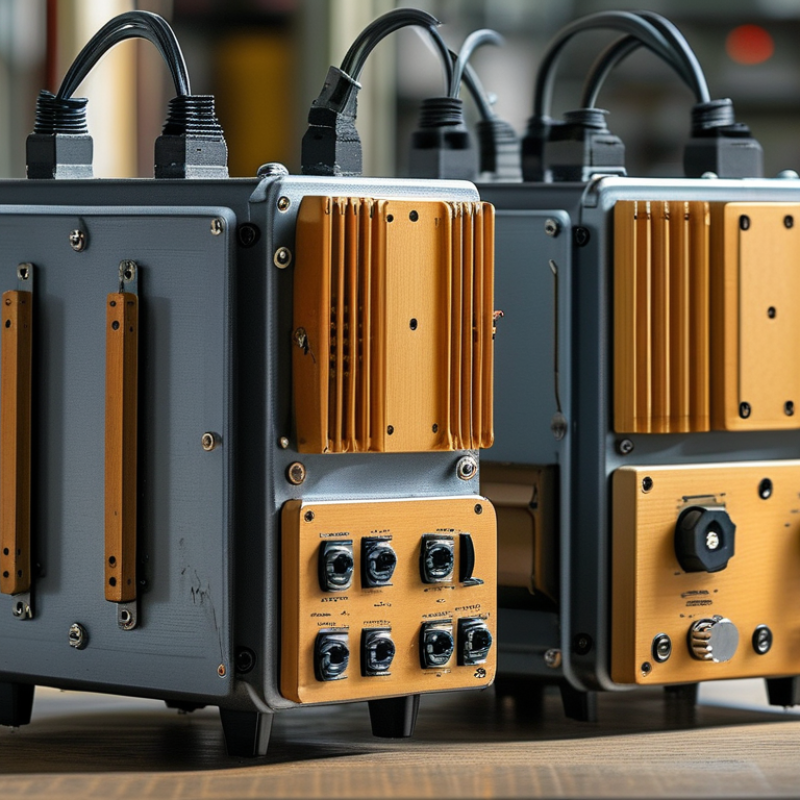
Essential Tips for Choosing a Toroidal Power Transformer?

Understanding the Fundamentals of Toroidal Power Transformers

When choosing a toroidal power transformer, understanding its fundamentals is crucial. These transformers are renowned for their efficiency and compact design. Their unique shape reduces electromagnetic interference, which enhances overall performance. A toroidal transformer can be a game-changer in various applications, from audio equipment to power supplies.

Select a transformer with a sufficient power rating for your application. This ensures it handles the load without overheating. Look for models with low noise levels, as this is essential in sensitive electronics. Evaluating the core material can also provide insight into efficiency and performance. High-quality materials contribute to reduced losses and better reliability.

Be mindful of the winding configuration too. Different configurations affect voltage output and phase relationship. Understanding these aspects can prevent potential issues during integration. Don't ignore the need for proper mounting and cooling. A well-installed transformer can significantly enhance its lifespan and functionality.

Understanding the Performance of Toroidal Power Transformers

Key Considerations for Selecting the Right Toroidal Transformer Size

When selecting the right toroidal transformer size, understanding your application is crucial. Assess the voltage and current requirements accurately. Underestimating these numbers can lead to significant inefficiencies. A toroidal transformer that is too small may overheat or fail. Conversely, an oversized transformer can be bulky and more costly.

Consider the physical space available for installation. Toroidal transformers are known for their compact design, but size still matters. A transformer that fits well in your setup minimizes potential vibration and noise. Ensure adequate ventilation around the transformer to prevent overheating. Pay attention to the weight as well, as some designs might require additional support.

Another important factor is the insulation class. This impacts the transformer's durability and performance under varying temperatures. It’s essential to choose a transformer that can withstand the specific conditions of your environment. This decision directly affects the longevity of your equipment. Sometimes, it might be tempting to cut costs by selecting a lower-rated transformer. However, this can lead to problems down the line. Evaluating all these elements is vital in making an informed choice.

Evaluating Efficiency and Performance Metrics in Toroidal Transformers

When assessing efficiency and performance metrics in toroidal transformers, it’s vital to focus on a few key parameters. A notable factor is the transformer's core material, typically ferrite or silicon steel, which influences magnetic properties. According to a recent industry report, transformers with high-grade core materials can achieve efficiencies exceeding 95%. This can lead to significant energy savings, particularly in high-load applications.

Performance metrics also include load regulation and temperature rise. High-quality toroidal transformers maintain stable output voltage even under varying load conditions. Ideally, the temperature rise should be limited to 40 degrees Celsius during operation, as excess heat can indicate inefficiencies or potential failures.

Attention to detail matters in evaluating a transformer’s specifications. Consider subtle features like winding techniques. For instance, tightly wound wire can reduce stray losses. Also, examine the manufacturer's testing methods for compliance with industry standards. Such evaluations can be challenging but are crucial for investing in reliable transformers.

Lastly, check for customer feedback on performance longevity. User experiences highlight common issues with certain designs, reminding us that even the best transformers may have limitations. Staying informed helps make confident choices aligned with your requirements.

Assessing Safety Standards and Certifications for Toroidal Transformers

When selecting a toroidal power transformer, safety standards and certifications play a pivotal role. These transformers are known for their efficiency and compact design, but safety cannot be overlooked. It's essential to check if the transformer complies with international safety standards, such as IEC or UL. This ensures that the device has undergone rigorous testing for performance and safety.

Look for specific certifications on the transformer's label or datasheet. These can indicate the quality of materials used and the manufacturer's commitment to safety. Not all transformers meet these standards. Some may lack proper insulation or have inadequate thermal management. This can lead to overheating or even failure under load.

Understanding safety features is crucial. Questions about the transformer’s thermal protection and short-circuit safety should be raised. Some designs might incorporate automated shutdown mechanisms, while others rely on fuses. It's not enough for a transformer to be efficient; it must also protect users and equipment. Transparency in safety documentation from the manufacturer is also vital. Always ask for this information before making a decision.

Analyzing Applications and Load Requirements for Toroidal Transformers

When selecting a toroidal power transformer, understanding applications and load requirements is crucial. These transformers are compact and efficient, making them suitable for various uses. In audio equipment, for instance, a toroidal transformer can reduce hum and noise, enhancing sound quality. However, applying them effectively requires careful consideration of the total load.

Assessing load requirements involves calculating the power needed for your specific application. Factors such as voltage, current, and frequency play significant roles. Overestimating load can lead to inefficiency. On the other hand, underestimating may cause the transformer to overheat. It's essential to define your needs accurately.

Real-world usage often reveals unexpected challenges. A transformer may perform well under ideal conditions but struggle under variable loads. Testing different configurations can provide insights into how the transformer behaves in your setup. This reflection is key to optimizing performance and ensuring reliability. Ultimately, thorough analysis and hands-on experience differentiate a successful installation from a problematic one.

FAQS

: What is a toroidal power transformer?

: A toroidal power transformer is an efficient, compact device used in various applications, including audio equipment and power supplies.

Why is the shape of a toroidal transformer important?

Its unique shape reduces electromagnetic interference, enhancing overall performance and making it suitable for sensitive electronics.

How do I choose the right power rating?

Select a transformer that matches your application's power requirements to avoid overheating and ensure reliable operation.

What materials impact the efficiency of toroidal transformers?

Core materials like ferrite or silicon steel greatly influence efficiency, with high-grade materials achieving over 95% efficiency in some cases.

How does winding configuration affect performance?

The winding configuration impacts voltage output and phase relationships, so understanding it can help avoid integration issues.

What temperature rise should be expected during operation?

Ideally, the temperature rise should be limited to 40 degrees Celsius to prevent inefficiencies and potential failures.

Why are safety certifications important?

Certifications ensure that a transformer meets international standards and has been rigorously tested for performance and safety.

What common safety features should I check?

Look for features like thermal protection and automatic shutdown mechanisms to ensure the transformer protects both users and equipment.

How can customer feedback inform my choice?

User experiences often reveal common issues and limitations, providing valuable insights into the reliability of specific transformer designs.

What should I request from a manufacturer before buying?

Always ask for safety documentation and information on certifications to ensure the quality and safety of the transformer.

Conclusion

When selecting a Toroidal Power Transformer, it is crucial to understand its fundamentals, including design and operational principles, to ensure optimal performance. Key considerations such as transformer size must align with specific application demands and load requirements, which ultimately influence efficiency and performance metrics.

Safety standards and certifications are also essential factors in choosing the right toroidal transformer, as they ensure reliable and safe operation in various settings. By carefully analyzing these aspects, users can make informed decisions that best fit their particular electrical applications, enhancing performance and ensuring compliance with safety regulations.


Ethan

Ethan

Ethan is a dedicated marketing professional with a passion for driving brand engagement and enhancing customer experience through strategic content development. With a deep understanding of the company's core offerings, he excels in showcasing the unique advantages of our products and services. His......