Expert guides, technical updates, and industry insights on Current & Power Transformers.
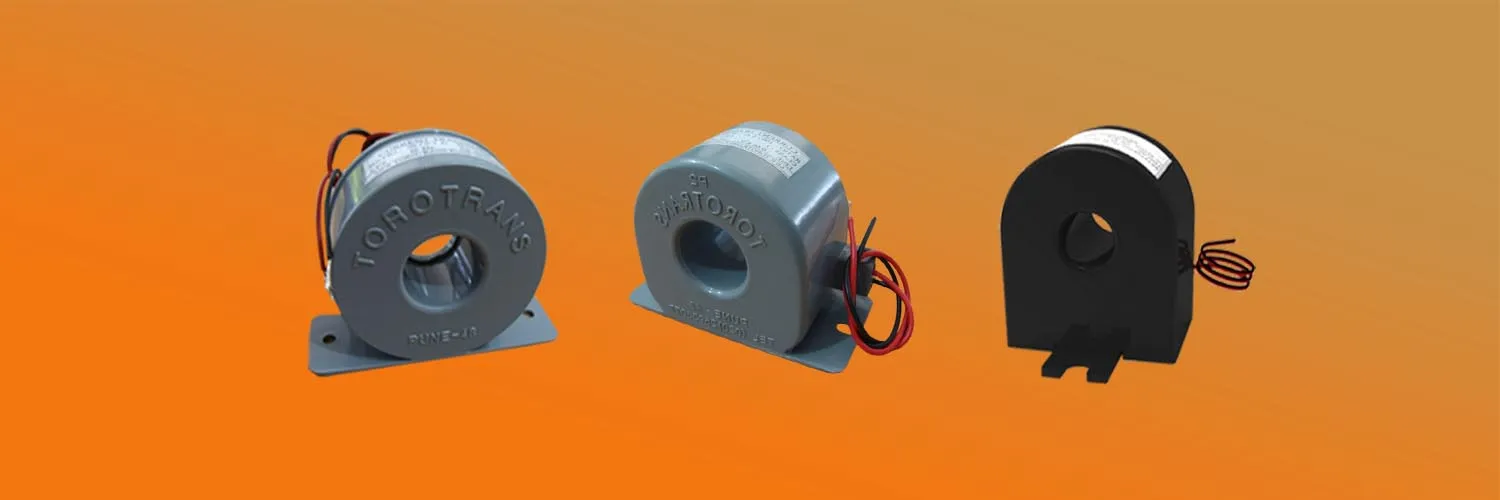
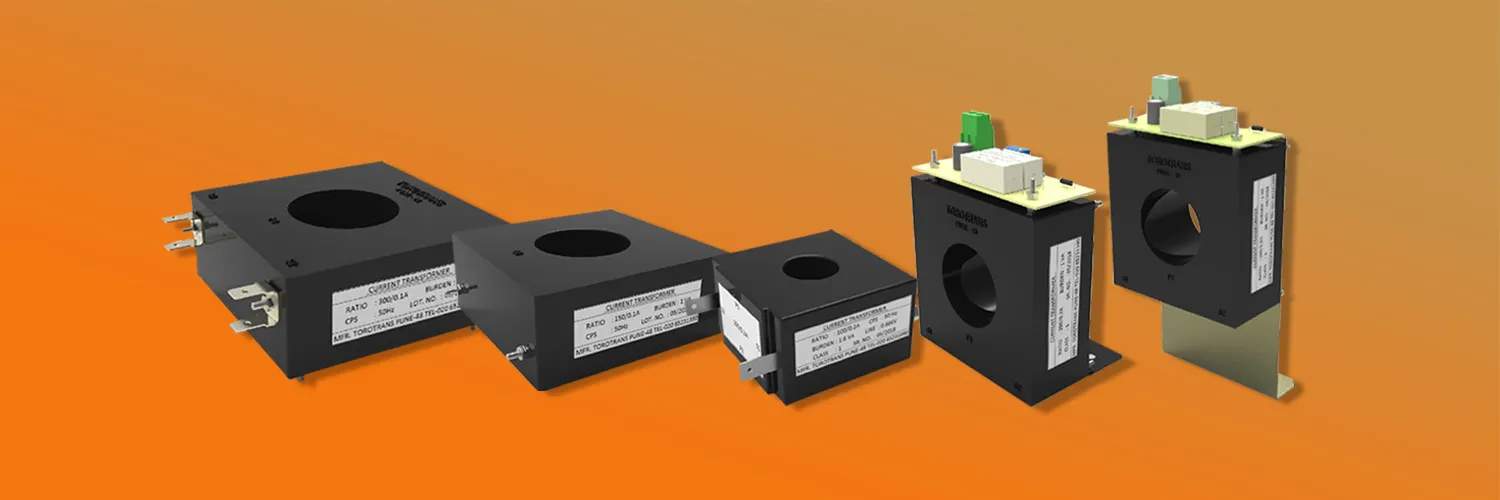
In-depth guides on high-accuracy resin cast measuring current transformers.
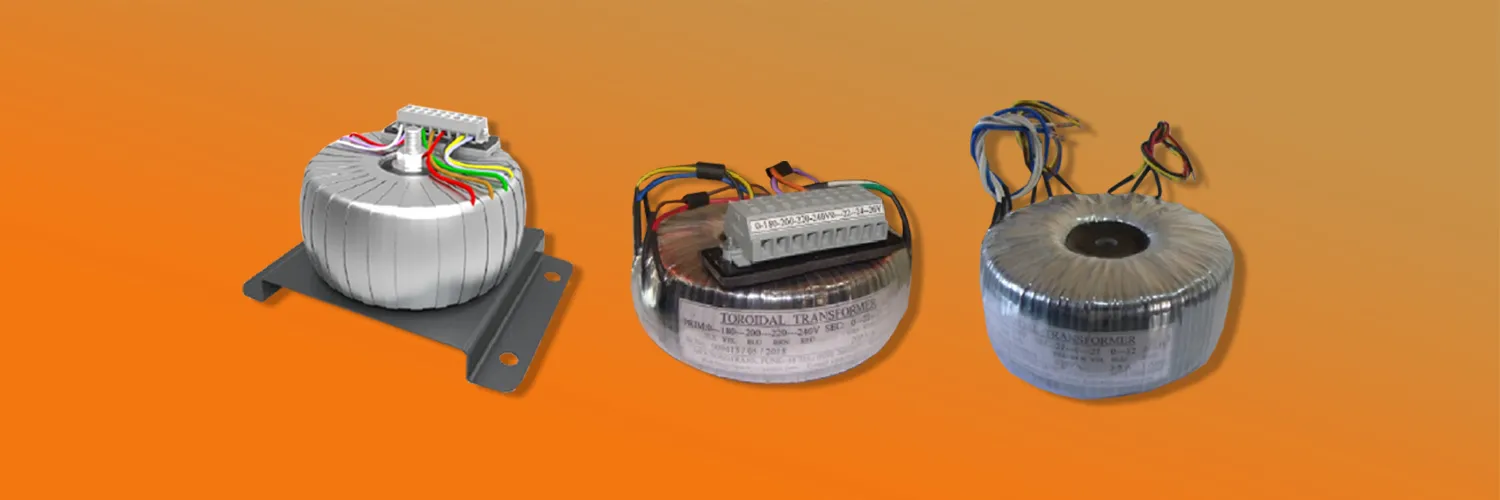
Articles detailing compact, low-noise toroidal power transformers for OEM applications.
As the demand for efficient energy management grows, the need for reliable electrical components becomes crucial. The Toroidal Current Transformer stands out in this field. Experts highlight its advantages over traditional transformers. Dr. Jane Thompson, a renowned electrical engineer, says, "The Toroidal Current Transformer offers precision and efficiency that is unmatched in today's market."
In 2026, global buyers will be searching for the best options in this category. The design of Toroidal Current Transformers allows for lower losses and improved accuracy. Applications span various industries, from renewable energy to manufacturing. However, not all products are created equal. Buyers must navigate through a wide array of specifications and quality levels.
With various manufacturers vying for attention, understanding the nuances of Toroidal Current Transformers is essential. This exploration will guide potential buyers. Insight into features, certifications, and performance metrics will be covered. The journey to finding the perfect Toroidal Current Transformer is complex, but essential for future challenges.
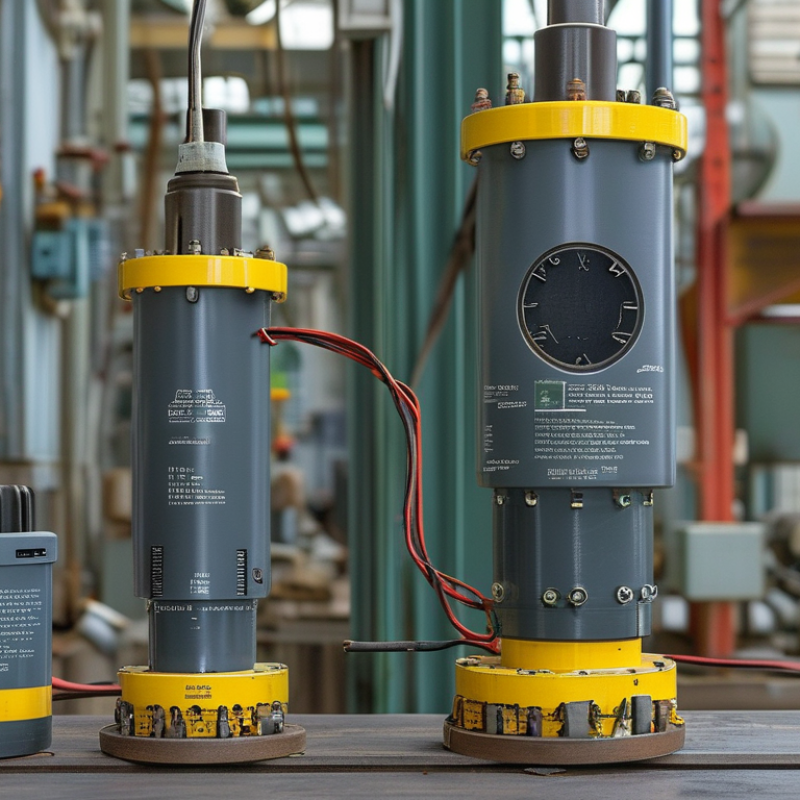
Toroidal current transformers (TCTs) are essential components in power systems. They provide accurate measurements of current flowing through a conductor. The design features a doughnut-shaped core, enhancing sensitivity and reducing the risk of electromagnetic interference. According to a recent market analysis, the demand for toroidal current transformers is expected to grow by 6% annually until 2026, driven by increased investments in renewable energy sources.
TCTs find applications in various sectors, including industrial automation, electrical grid monitoring, and energy management systems. Their compact size allows for easy integration into existing infrastructure. This aspect is particularly beneficial for smart grids. A well-designed TCT can improve energy efficiency and reduce operational costs for businesses.
When selecting a toroidal current transformer, consider the expected current range and the specific application requirements. Ensure the transformer has the necessary insulation properties. Regular maintenance helps to identify issues early, enhancing reliability. Ensure that your application can benefit from the advantages of these transformers. Keep updated with technological advancements in the field to make informed choices for your projects.
When selecting a toroidal current transformer, several key features play a vital role. Accuracy is paramount. Industry reports indicate that transformers with a primary accuracy of ±0.5% can significantly enhance measurement reliability. A good accuracy rate minimizes errors, ensuring consistent performance across various applications.
Another critical feature is the core material used in the construction. Ferrite and permalloy cores are common, each offering unique benefits. Ferrite cores work well in high-frequency applications, while permalloy provides exceptional low-frequency performance. Choosing the right core can greatly affect the transformer’s efficiency.
Size and installation ease are often overlooked but should not be ignored. Compact designs are popular for space-constrained environments. Reports suggest that smaller transformers can reduce installation difficulties, which can save costs. However, smaller does not always mean better; it may compromise performance if not appropriately evaluated for specific application requirements. Each characteristic needs careful consideration, as it determines the overall effectiveness of the transformer within its intended usage.
In 2026, the market for toroidal current transformers is evolving rapidly. Buyers are increasingly looking for high performance and durability. Reports show that the global market for these transformers is expected to grow at a CAGR of 5.4% from 2024 to 2026. Key applications include renewable energy systems and industrial automation.
The top brands are focused on improving accuracy and reducing energy losses. Many models now feature advanced materials that enhance insulation and operational efficiency. As per industry data, over 65% of users prioritize models that offer both reliability and cost-effectiveness. This indicates a shift towards sustainable solutions amidst rising energy costs.
However, there are challenges. Some models still exhibit performance variations under different load conditions. This inconsistency calls for careful selection based on specific application needs. Feedback from industry professionals highlights the need for continued innovation. Buyers must assess not only specifications but also user reviews. Comprehensive testing and validations are essential in making informed choices.
| Model | Primary Current Rating (A) | Secondary Current Rating (A) | Accuracy Class | Price Range ($) |
|---|---|---|---|---|
| Model A | 100 | 5 | Class 1.0 | $50 - $75 |
| Model B | 200 | 10 | Class 0.5 | $80 - $100 |
| Model C | 300 | 15 | Class 0.2 | $120 - $150 |
| Model D | 500 | 20 | Class 0.5 | $150 - $200 |
| Model E | 1000 | 50 | Class 0.1 | $250 - $300 |
When selecting a toroidal current transformer, buyers should focus on price and performance. The market offers a variety of models, each differing in specifications. These differences impact both the efficiency and reliability of electrical measurements. Some transformers excel in accuracy, while others may compromise on cost.
Comparing prices reveals a significant range across different models. Budget-friendly options can perform adequately for basic applications. However, investing in higher-end models may yield more precise results. Performance metrics should include accuracy ratings and thermal stability. The buyer's needs heavily influence the ideal choice.
Many options also come with trade-offs. A less expensive model might be more susceptible to external noise. This could lead to fluctuations in readings. Understanding the specific requirements of each application is crucial in making informed decisions. Thorough research is essential in this complex landscape.
As we approach 2026, the market for toroidal current transformers is evolving rapidly. Industry reports indicate a projected CAGR of 6.2% over the next five years. This growth is primarily due to increasing demand for energy-efficient solutions and renewable energy integration. Innovations in materials and design are playing a critical role in enhancing performance and reducing costs.
Future trends highlight the importance of digitalization in toroidal current transformer technology. Smart features are becoming standard, enabling real-time monitoring and data analysis. Reports show that around 30% of buyers prioritize advanced diagnostics in their purchasing decisions. This shift underscores the need for manufacturers to adapt and innovate continuously. However, some companies still rely on traditional methods, risking obsolescence.
Furthermore, a focus on sustainability is driving industry changes. Expect to see an increase in eco-friendly materials and production processes. According to recent studies, about 40% of consumers prefer products with a lower environmental impact. Nonetheless, transitioning to more sustainable practices can pose challenges. Companies must balance cost and innovation to stay competitive in this evolving landscape.
: Accuracy is the most important feature. A primary accuracy of ±0.5% enhances measurement reliability.
Core materials like ferrite and permalloy have unique benefits. Ferrite is suitable for high frequencies, permalloy for low frequencies.
Size affects installation ease. Compact designs help in limited spaces but may impact performance if evaluated improperly.
Buyers need to balance price and performance. Budget options may suffice for basic applications but higher-end models offer improved accuracy.
Smaller transformers are not always better. They can simplify installation but may compromise on performance if not suited for tasks.
Cheaper models might be prone to external noise, leading to fluctuations in readings during use.
Thorough research is essential. It helps buyers understand specific application needs and make informed decisions.
No, different models vary in accuracy ratings. Choosing the right model is crucial for reliable performance.
Important metrics include accuracy ratings and thermal stability. These impact the overall efficiency of the transformer.
Buyers should consider their specific requirements and research available options. Knowing application needs can guide decision-making.
The article titled "2026 Best Toroidal Current Transformer for Global Buyers" provides a comprehensive overview of toroidal current transformers, highlighting their diverse applications in various industries. It thoroughly discusses key features to consider when selecting a toroidal current transformer, such as accuracy, temperature performance, and size.
Additionally, the piece offers a comparative analysis of different models available in 2026, evaluating their prices and performance metrics to assist global buyers in making informed decisions. Lastly, it explores future trends in toroidal current transformer technology, emphasizing advancements that may influence the market landscape and enhance efficiency, making these devices increasingly essential for electrical measurement and monitoring applications.

Sr.No.49/1A, Gokul Nagar, Katraj - Kondhwa Road, Vrindavan Nagar, Lane No. 2, Pune – 411 048, Maharashtra, India.
+91-93710 11408
+91-85300 03699
© Torotrans. All Rights Reserved.
Manufacturer & Exporter of Toroidal Transformers — Pune, Maharashtra, India.